Graphene vs Ceramic · Paint Protection · Oahu, Hawaii
Graphene vs Ceramic Coating Hawaii — What Actually Matters for Your Vehicle
Both are professional-grade coatings that outperform wax. Both bond chemically to paint. The differences are real — but prep work matters more than the product. Here is an honest comparison.
The right choice depends on vehicle condition, ownership plans, and budget.
Not Sure Which Coating Is Right?
We evaluate your vehicle and recommend the right protection for your goals — no upsell pressure.
The Most Important Variable — Prep Work
Before comparing products, this needs to be said: a premium graphene coating applied over contaminated, unpolished, or improperly decontaminated paint will underperform a standard ceramic coating applied to a properly prepared surface.
At Custom Auto Accessories, every coating service begins with the same preparation regardless of which product is applied:
Paint Thickness Measurement
Digital gauge measurement on all panels. Documents condition and confirms safe polishing margins.
Full Decontamination
Iron removal, clay bar treatment, and chemical decontamination to clear bonded contamination before any correction.
LED Inspection
Professional lighting reveals swirl marks, water spot etching, oxidation, and any defects before polishing.
Paint Correction
Machine polishing to remove or minimize defects. The coating seals what is underneath — this step determines the final result.
C6 APP Final Surface Preparation
CAA uses C6 APP as the final surface-preparation step before coating application. C6 APP is not the coating itself.
The coating product comes last. Prep work is where the result is made.
Both ceramic and graphene coatings create a hydrophobic protective surface that helps water bead and shed more easily, but no coating completely prevents water spots in Hawaii's mineral-heavy environment.
Ceramic Coating
A ceramic coating is a liquid polymer that chemically bonds to automotive clear coat. Once cured, it creates a semi-permanent protective layer with strong hydrophobic performance, chemical resistance, and UV protection.
Strengths
- ✓Strong chemical resistance
- ✓Excellent UV protection
- ✓Hydrophobic — water beads and sheets
- ✓Protects against vog, bird droppings, sap
- ✓9H hardness rating
Considerations
- –Shorter warranty than graphene (2–5 yrs)
- –Higher surface energy = more water spot potential
- –Good choice for shorter ownership periods
Graphene Coating
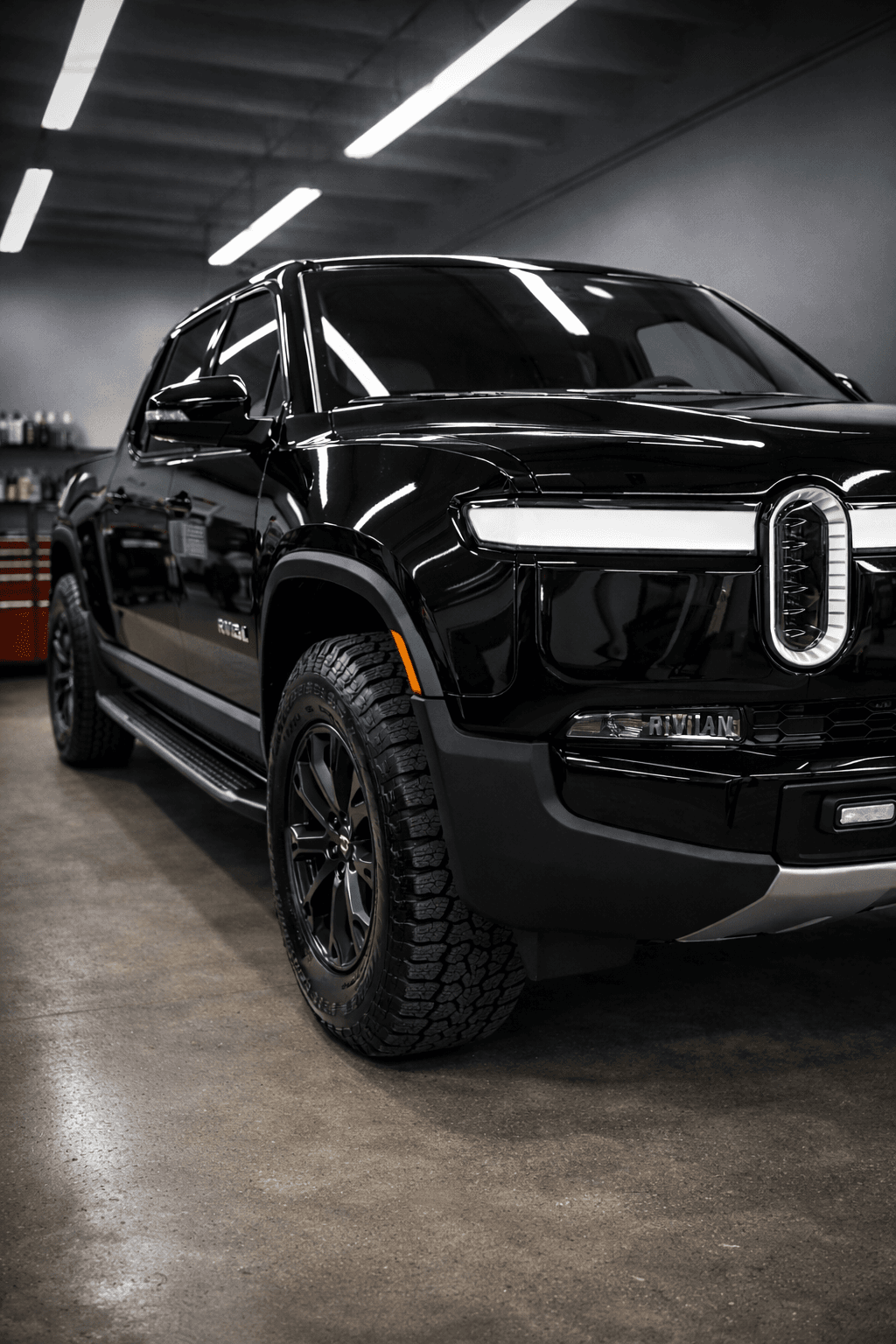
CAA positions Jade Obsidian Graphene as its Flagship / Most Popular package and recommends it for most customers who want strong all-around protection, hydrophobic behavior, and a manufacturer-backed program under applicable written terms.
Advantages Over Standard Ceramic
- ✓Strong all-around protection
- ✓Hydrophobic behavior
- ✓Works well with Ceramic Detail Spray or another compatible topper
- ✓Manufacturer-backed under applicable written terms
- ✓CAA recommendation for most long-term customers
Considerations
- –Higher upfront cost than standard ceramic
- –Current Jade paperwork requires an annual inspection within 30 days before the anniversary date
- –Prep quality still determines the result
Side-by-Side
| Feature | Ceramic | Graphene |
|---|---|---|
| Best fit | Shorter or mid-term ownership | CAA flagship for most long-term customers |
| Water behavior | Hydrophobic | Hydrophobic |
| Compatible care | Use products compatible with the installed system | Works well with Ceramic Detail Spray or another compatible topper |
| Warranty approach | Varies by installed system | Manufacturer-backed under applicable written terms |
| Durability | 2–5 years typical | 7 years (warranted) |
| Cost | Lower upfront | Higher upfront, lower long-term |
Which Package Fits Your Ownership Plan?
Both can provide professional ceramic protection. CAA recommends based on the vehicle, ownership plan, care preferences, and warranty expectations.
Leases and Shorter Ownership
DuraSlic 4-Year is the Smart Value / Lease Option with the same CAA preparation standards.
Mid-Tier DuraSlic
DuraSlic 5-Year adds longer-term professional protection, manufacturer-backed warranty support, and Carfax registration under the applicable written terms.
Most Customers
Jade Obsidian Graphene is CAA’s Flagship / Most Popular package for strong all-around protection and hydrophobic behavior.
Harsh-Environment Specialist
DuraSlic Xtreme starts at $1,400 plus tax, is a more specialized technical option, and requires compatible maintenance products. Larger vehicles and condition-specific preparation are quoted by recommendation.
Enthusiast / Long-Term
C6 is for customers who value the permanent-coating concept and are less focused on a traditional manufacturer warranty program.
Frequently Asked Questions
Is graphene coating worth the extra cost in Hawaii?
CAA recommends Jade Obsidian Graphene for most customers who want strong all-around protection and a long-term manufacturer-backed program. For leases, shorter ownership plans, or a lower entry price, DuraSlic 4-Year may be the smarter value.
Does prep work matter more than the coating product?
Yes. A premium graphene coating applied over contaminated or unpolished paint will underperform a standard ceramic coating applied to a properly prepared surface. Surface prep is the most important variable.
How long does graphene coating last in Hawaii?
Jade Obsidian Graphene is positioned as a 7-year system under applicable written terms. Current CAA-held Jade paperwork requires an annual inspection by an approved or certified installer within 30 days before the anniversary date.
Does graphene coating prevent scratches?
No coating is scratch-proof. Physical abrasion can still damage the coating or paint, so safe wash methods and proper care remain important.
Can I get a standard ceramic instead of graphene?
Yes. For shorter ownership periods or budget-conscious situations, standard ceramic options are available. We recommend the right product for your vehicle and goals, not the most expensive one.
Ready to Protect Your Vehicle the Right Way?
We will help you choose the right coating for your vehicle, budget, and goals — no pressure.
One vehicle per day. Prepared properly. Protected properly.
Request a Free Estimate or Inspection — 808-216-452594-529 Farrington Hwy, Waipahu, HI 96797
Serving vehicle owners across Oahu including Waipahu, Honolulu, Kapolei, Pearl City, Aiea, Ewa Beach, and surrounding communities.