Ceramic Coating vs Wax · Paint Protection · Oahu, Hawaii
Ceramic Coating vs Wax Hawaii — Why Most Vehicle Owners Eventually Make the Switch
Wax has been the default for years — but in Hawaii's UV, salt air, and rain, it breaks down fast.
Ceramic coating bonds to your paint and provides long-term protection that actually holds up in Oahu's environment.
The right option depends on your vehicle, how long you plan to keep it, and how you maintain it.
Tired of Reapplying Wax Every Few Weeks?
We'll walk you through what ceramic coating looks like for your vehicle — no pressure.
How Wax Works
Traditional car wax is a blend of natural carnauba wax and synthetic polymers that sits on top of paint as a thin sacrificial layer. It provides temporary shine, minor water repellency, and short-term protection from light contamination.
What wax cannot do:
- ✗Bond to paint at a chemical level
- ✗Withstand prolonged UV exposure — breaks down quickly in Hawaii's heat
- ✗Resist acidic contamination like bird droppings, vog, or acid rain
- ✗Last more than a few weeks to a few months before reapplication is needed
In Hawaii, wax degrades faster than nearly anywhere in the continental United States. High heat, UV intensity, and salt air break down wax chemistry rapidly.
How Ceramic Coating Works
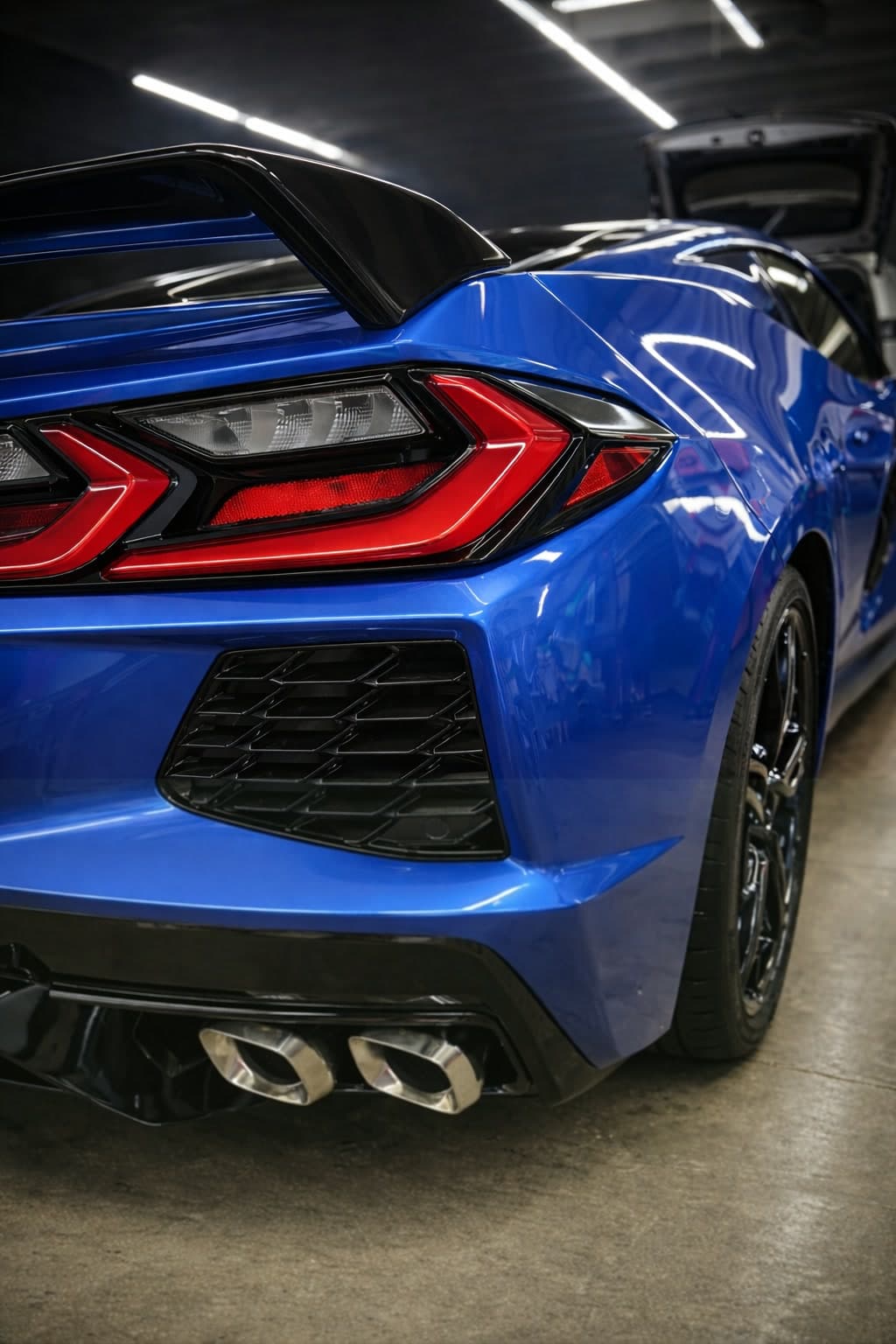
Ceramic coating is fundamentally different from wax. Rather than sitting on top of paint as a thin temporary film, ceramic coatings chemically bond to the clear coat surface. Once cured, they become part of the vehicle's surface rather than a layer on top of it.
Semi-permanent protection
Ceramic coatings last years, not weeks.
Chemical resistance
Resists vog, bird droppings, tree sap, and acidic contamination.
UV protection
Protects clear coat from oxidation and UV degradation year-round.
Hydrophobic performance
Water beads and sheets off more aggressively than wax.
Scratch resistance
Harder surface than wax reduces micro-scratching during washing.
Easier washing
Contaminants bond less aggressively to a ceramic-coated surface.
Side-by-Side Comparison
| Feature | Wax | Ceramic Coating |
|---|---|---|
| Durability | 4–8 weeks | Up to 7 years |
| UV protection | Minimal | Strong |
| Chemical resistance | Low | High |
| Hydrophobics | Moderate | Excellent |
| Bond type | Surface layer | Chemical bond to paint |
| Scratch resistance | Low | Significantly higher |
| Maintenance approach | Product-dependent reapplication | Wash as needed; condition-based CAA care; separate warranty inspections |
The Cost Perspective
The most common objection to ceramic coating is upfront cost. Here's how the math looks over 5 years.
Wax (professional, every 3 months)
$3,000+ plus tax
~$150/application plus tax × 20 applications over 5 years — with diminishing results as paint accumulates contamination and oxidation
7-Year Obsidian Graphene Coating
One application
Wash as needed, use compatible products, schedule CAA maintenance when condition calls for it, and follow the installed system's separate written warranty inspection requirements.
Beyond cost, wax offers no protection against the type of environmental damage that accumulates on Oahu vehicles — vog etching, salt contamination, water spot damage, and UV oxidation. Ceramic coating addresses all of these.
What Ceramic Coating Doesn't Do
To be clear about what we offer:
- ✗Make your car completely scratch-proof
- ✗Eliminate water spots entirely — they reduce and simplify management
- ✗Replace the need for regular washing
- ✗Cover existing paint damage — proper preparation and correction must be done first
Ceramic coating is a long-term protection investment, not a magic shield. It performs best on properly prepared paint and maintained through routine washing.
Ceramic coatings make washing faster and easier and reduce water spot bonding — but regular washing is still required and water spots are not completely eliminated.
Frequently Asked Questions
Is ceramic coating worth it in Hawaii?
For most vehicle owners who plan to keep their car for 2+ years, yes. Hawaii's aggressive environment — salt air, vog, UV, hard water — causes accelerated paint damage. Ceramic coating directly mitigates these factors.
Can I apply wax over ceramic coating?
CAA recommends coating-compatible detail sprays and maintenance products. Some cleaner waxes and all-in-one products contain mild cleaners or polishing abrasives that may be inappropriate over an existing ceramic coating, but not every wax product universally removes ceramic coating. Ask CAA before applying an unfamiliar product.
Does ceramic coating eliminate the need for washing?
No. A ceramic-coated vehicle still needs regular washing to remove contamination. However, washing is significantly faster and easier because contaminants bond less aggressively to the coated surface.
How long does ceramic coating last in Hawaii compared to wax?
Our 7-Year Obsidian Graphene Coating is warranted for up to seven years with proper care. Traditional wax in Hawaii's climate typically requires reapplication every 4–8 weeks.
What happens to my paint without any protection?
In Hawaii's climate, unprotected clear coat is exposed to constant UV degradation, salt contamination, vog particles, and hard water minerals. Over time, this causes oxidation, water spot etching, fading, and a dull, aged appearance.
Ready to Stop Waxing and Start Protecting?
If you're tired of wax that doesn't hold up in Hawaii's climate, we'll walk you through what ceramic coating looks like for your specific vehicle.
One vehicle at a time. Prepared properly. Protected properly.
Request a Free Estimate or Inspection — 808-216-452594-529 Farrington Hwy, Waipahu, HI 96797
Serving vehicle owners across Oahu including Waipahu, Honolulu, Kapolei, Pearl City, Aiea, Ewa Beach, and surrounding communities.